The Evolution of Influencer Marketing in B2B
The Power of Industry Thought Leaders
Identifying the Right Thought Leaders for B2B Influencer Marketing
Building Authentic Relationships with Thought Leaders
Leveraging Thought Leaders for Social Proof
Thought Leadership Events and Webinars
Influencer Amplification and Distribution
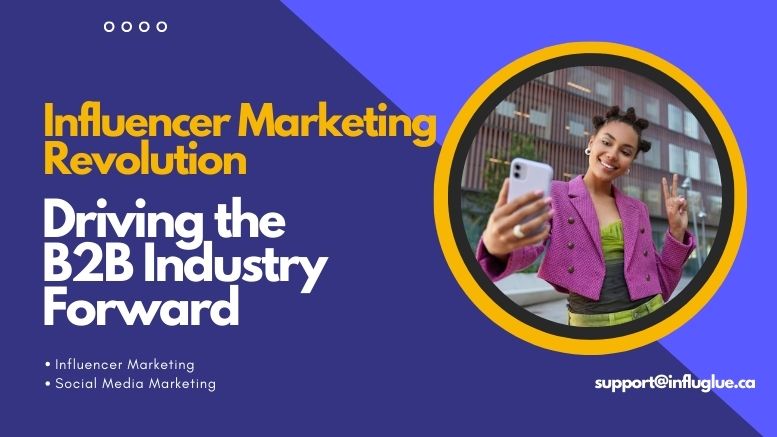
In the ever-evolving landscape of marketing strategies, influencer marketing has emerged as a powerful tool for connecting brands with their target audiences. Traditionally associated with consumer-focused industries, influencer marketing has now expanded its reach into the realm of Business-to-Business (B2B) marketing. As B2B decision-makers increasingly turn to industry thought leaders for guidance and insights, tapping into the power of these influencers has become essential for brands looking to establish themselves as trusted authorities in their respective fields. In this blog post, we will explore the rise of influencer marketing in B2B, the value of industry thought leaders as influencers and effective strategies for successful B2B influencer campaigns.

Influencer marketing, once synonymous with consumer brands and lifestyle products, has grown to encompass B2B industries. As B2B buyers increasingly seek authentic and expert opinions, industry thought leaders have become key influencers in their respective niches. By collaborating with these thought leaders, B2B brands can gain credibility, establish trust, and position themselves as valuable resources for their target audience.
Industry thought leaders are individuals who possess extensive knowledge, expertise, and influence within their specific domains. These leaders have garnered a loyal following of professionals who seek their insights and opinions. Their authority and reputation within the industry make them invaluable assets for B2B brands aiming to reach decision-makers and influencers.
Effective B2B influencer marketing begins with identifying the right thought leaders to collaborate with. Brands should research and evaluate potential influencers based on their expertise, relevance to the brand's offerings, and the alignment of their values with the brand's message. Thought leaders with a strong online presence and engaged audiences are particularly valuable for impactful campaigns.

The success of B2B influencer marketing lies in building authentic and mutually beneficial relationships with industry thought leaders. Rather than transactional partnerships, brands should seek to foster genuine connections with influencers. By providing value to the influencer's audience and supporting their initiatives, brands can create long-lasting and meaningful relationships.
Content co-creation is at the core of successful B2B influencer marketing campaigns. By collaborating with thought leaders, brands can leverage their expertise to create valuable and informative content. Thought leaders can contribute to blog posts, webinars, e-books, and whitepapers, providing unique insights that resonate with B2B audiences.

Social proof is a crucial aspect of B2B marketing and thought leaders can play a pivotal role in building it. By featuring thought leaders in case studies, testimonials, and success stories, brands can showcase their expertise and credibility. This social proof validates the brand's offerings and strengthens its position in the market.
Hosting thought leadership events and webinars is an effective way to engage with B2B audiences and establish the brand as an industry expert. Inviting thought leaders to speak at these events not only attracts attendees but also boosts the brand's authority and thought leadership positioning.
Handpicked related content:
5 Reasons You Need Brand Ambassadors For Your Business In 2022
Influencer Marketing To Boost Hospitality Business: InfluGlue
Influencer marketing in B2B extends beyond content creation. Thought leaders can amplify the brand's message through their own social media channels and networks, reaching a broader audience of industry professionals. This distribution expands the brand's reach and fosters greater brand awareness.

To measure the success of B2B influencer marketing campaigns, brands should establish clear key performance indicators (KPIs) aligned with their campaign goals. Metrics such as website traffic, lead generation, social media engagement, and brand sentiment can provide valuable insights into the campaign's impact and return on investment (ROI).
Real-world examples of successful B2B influencer marketing campaigns offer valuable insights into effective strategies and best practices. Examining case studies from diverse industries can inspire brands to craft innovative and impactful campaigns tailored to their unique audience and goals.
In conclusion, influencer marketing in B2B has emerged as a dynamic and influential strategy for brands to establish their authority, credibility, and thought leadership within their industries. By collaborating with industry thought leaders, brands can tap into the power of influential voices to connect with decision-makers and influencers. Authentic relationships, valuable content co-creation, and thought leadership events are essential components of successful B2B influencer marketing campaigns. As B2B marketing continues to evolve, integrating influencer marketing with thought leadership strategies will remain a pivotal approach for brands seeking to position themselves as trusted and respected authorities in their fields.
Influencer marketing in B2B has emerged as a dynamic and influential strategy for brands to establish their authority, credibility, and thought leadership within their industries.
Team InfluGlue helped to build the content of the site along with several other sites with its SEO driven content. It delivers informative content to different niche of Influencer marketing. That helps the entrepreneurs to coose the right influencer to reach their target audience.